
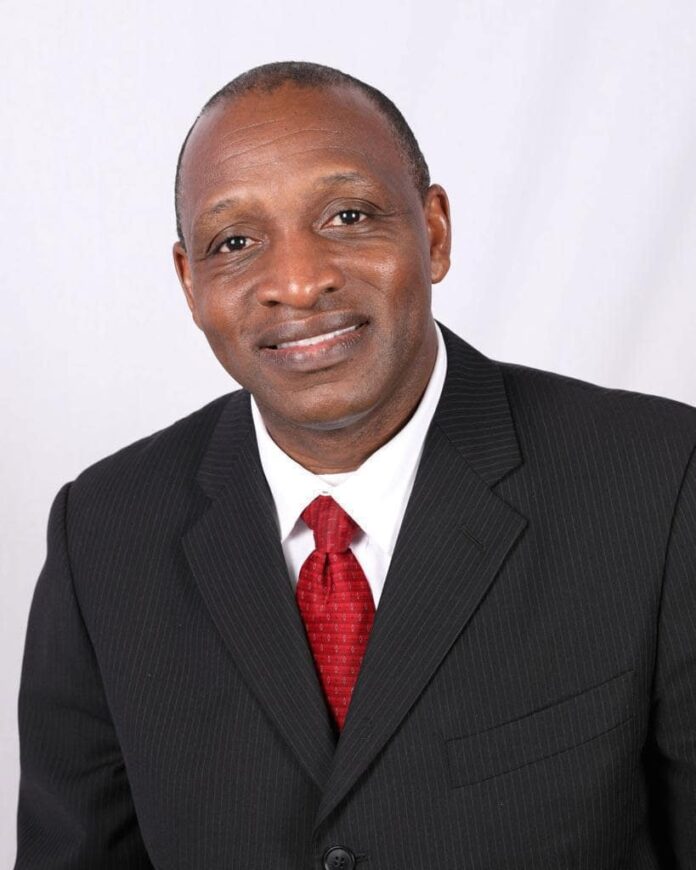

In the St. Philip’s North constituency, the recent by election revealed a result that is decisive yet nuanced. Randy Baltimore of the Antigua and Barbuda Labour Party received nine hundred and twenty-four votes, representing sixty-nine point four two percent of ballots cast. Alex Browne of the United Progressive Party secured four hundred and seven votes, thirty point five eight percent, creating a margin of five hundred and seventeen votes. Voter turnout reached sixty-seven point two seven percent of registered voters.
The numbers suggest control and organizational strength. Yet in a single constituency, each act of engagement or disengagement carries amplified meaning. Victory captures preference. Turnout measures commitment. Authority expanded, but connection contracted.
“Margins can measure dominance. Turnout measures belief.”
The Engagement Deficit Effect
This byelection illustrates the Engagement Deficit Effect, a phenomenon in which political power consolidates while meaningful participation declines. Authority grows faster than engagement, creating a widening gap between control and legitimacy.
Nearly one-third of registered voters withheld their participation. Their silence is not indifference. It is unclaimed attention. In a small constituency, every non-vote carries disproportionate influence. Absence signals judgment rather than rejection and forces parties to reassess how they engage citizens at a personal and practical level.
“The quietest constituents often hold the loudest power.”
Momentum and Microcosms of Power
Political momentum behaves like inertia. The opposition’s near-success in a previous election created expectations of breakthrough. The five hundred and seventeen vote deficit illustrates the reversal of that momentum. Choosing not to vote communicates judgment. Available choices failed to inspire sufficient confidence to act.
The governing party’s machinery performed effectively. Baltimore’s victory reflects coordination, discipline, and message alignment. Yet in microcosms of power, authority without engagement carries fragility. Every non-voter represents an opportunity lost to reinforce legitimacy.
“Winning the vote does not guarantee winning the belief.”
A Strategic Lens for Leadership
Even within a single constituency, broader lessons emerge. The Power Engagement Matrix provides clarity. It categorizes outcomes by the alignment of political authority and citizen participation. High power with high engagement produces enduring legitimacy. High power with low engagement creates fragile dominance. Low power with high engagement signals imminent disruption. Low power with low engagement results in system drift.
St. Philip’s North falls into the high power, low engagement quadrant. Operational strength is clear. Engagement remains conditional. Recognizing this gap allows leaders to act with foresight rather than reaction.
Actions for Leaders
Leaders must treat disengaged voters as a primary constituency. Their eventual return will determine durability. Operational efficiency must translate into visible and measurable outcomes. Legitimacy should be reinforced through listening and responsiveness rather than electoral victory alone. Internal mechanisms for critique and accountability must be institutionalized to maintain performance when external pressure is low.
“Leadership is strongest when it earns attention, not when it commands it.”
Silence as Strategic Insight
In small constituencies, each vote matters, and every non-vote carries a message. Silence is not absence. It is latent influence. Those who withheld participation in St. Philip’s North left a signal. Authority alone cannot sustain commitment. Connection is essential.
Leaders who recognize this, and act to translate quiet attention into engagement, do more than win elections. They shape the conditions for enduring influence. The next shift will not be decided at the ballot box. It will emerge in the quiet deliberation of citizens who weigh whether their participation carries meaning.
“The next election is already underway in the minds of those who stayed home.”
“The leader who listens to silence will shape the future more than the one who shouts the loudest.”