
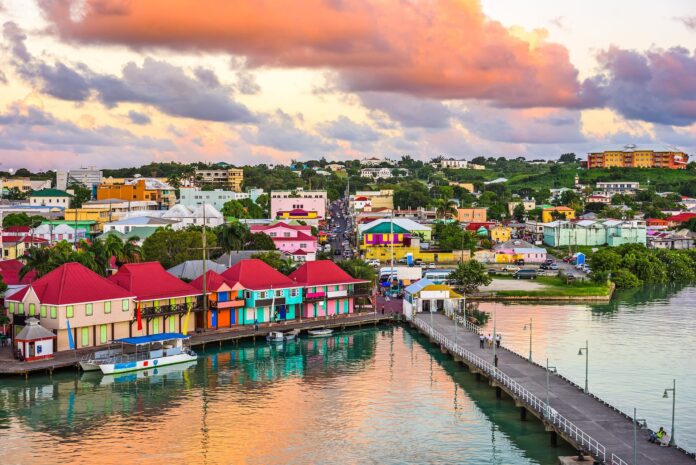

ST JOHNS
It’s time we stop pretending that St. John’s City is functioning the way a capital should. It had its moment, yes—but what we’re holding onto now feels more like denial.
Walking through the city is not just inconvenient—it’s exhausting. Moving from one point to another feels like navigating an obstacle course: stepping up, stepping down, dodging broken pavement, sidestepping hazards. Outside of Heritage Quay, a smooth, continuous walking path is almost nonexistent.
And that’s not just an inconvenience—it’s exclusionary.
I recently saw a tourist struggling to push a loved one in a wheelchair through the streets. It was painful to watch. If I were in their position, after encountering the state of the city, I would have turned around and gone straight back to the cruise ship. That moment alone says everything about accessibility in St. John’s: it doesn’t exist in any meaningful way.
Then there are the smells—unavoidable and unpleasant—lingering as you move through different areas. Open gutters and aging trash bins, which may have once been practical solutions, are now part of the problem. They are outdated, insufficient, and in need of urgent replacement.
The physical state of the city tells a similar story. Buildings are visibly deteriorating, and many retail spaces make little effort to present themselves in an appealing way. Merchandising is an afterthought, if considered at all.
Parking only adds to the frustration. Spaces are informally claimed and guarded with cones by business owners, organizations, and individuals like car washers alike. The message is clear: convenience is not a priority. So why should anyone feel encouraged to drive into the city to shop or support businesses?
Additionally, when Antigua Public Utilities Authority digs up roads, they are often left in disrepair for extended periods. Roads become partially or fully impassable, and the delays in fixing them feel unreasonable and avoidable.
At some point, we have to acknowledge a simple truth: nothing maintains itself. In the same way that a hot girl invests in her upkeep, a city requires consistent care, planning, and reinvestment. St. John’s has not received that level of attention—and it shows.
This is not about dismissing the city’s history. It’s about being honest. The current state of St. John’s is not sustainable, and continuing to act as though it is does a disservice to residents, businesses, and visitors alike.
The city is beyond saving and we need businesses to effectively move elsewhere so that we can get the service and comfort we need.
Frustrated