

A boy arrived at school each morning with sea salt still clinging to his shoes. Before sunrise, he had already worked beside his grandfather pulling fishing nets from dark water. He often arrived tired. Often late. Most teachers saw a problem. One teacher saw a life. She did not begin with punishment. She began with questions. She listened. She learned. She brought fishing boats into mathematics and turned tides into lessons. That boy, once silent at the back of the classroom, began to rise.
Years later he said, “She did not teach me numbers. She taught me that I mattered.” Unforgettable teachers begin here. They lead with understanding, they see with recognition, and they remove control and judgment from their teaching practice. Every child enters a classroom with a hidden world that cannot be seen at first glance.
In another village, a girl could barely read aloud. She avoided attention and feared embarrassment. Yet her teacher noticed something others missed. Whenever rhythm entered the room, she changed. He built learning around what awakened her. Words became music. History became voice. Literacy became performance.
The same girl who once hid her voice later commanded the room with it. This is not technique alone. It is perception. Caribbean teachers who change lives do one essential thing. They refuse to separate learning from culture. They understand that identity is not a distraction from education. It is the path into it. When children see themselves in what they learn, they do not simply participate. They awaken.
The most powerful teachers see what others overlook. They notice the shy child carrying heaviness. They notice the laughter that hides strain. They notice ability before it is certified. Across generations, adults still recall a sentence that changed them. You are gifted. You can lead. Do not give up.
These are not just kind words. They are formative ones. Education is identity formation. Before a child believes in themselves, they often borrow belief from an adult who chose to speak life. This is why unforgettable teachers are careful with language. They understand that words do not disappear. They take root.
In the Caribbean, the teacher is never only confined to a classroom. The unforgettable teacher is present in the life of the community. They greet children by name before the bell rings.
They walk into homes after storms have passed. They show up at funerals, graduations, church services, and cricket fields. Their authority is both academic and relational.
Teaching here has always been instruction plus stewardship. The teacher shapes achievement and character, success and resilience, learners and citizens.
Great teachers also understand the inner weather of children. They build classrooms where mistakes do not produce shame and questions do not invite ridicule. They understand that silence can signal fear, that anger can signal pain, and that disruption can signal struggle. So they ask differently.
Not what is wrong with you, but what has happened to you, and what do you need to succeed. In such classrooms, discipline is firm but humane, and expectations are high but anchored in dignity. Trust becomes the soil where learning grows.
Long after examinations are forgotten, students remember how a teacher made them feel about themselves. They remember the teacher who saw strength in their struggle. Who named potential before it was proven. Who refused to reduce them to their worst moment. Such teachers do more than educate. They shape direction. They influence identity. They alter futures intentionally but permanently.
Across the Caribbean today, leaders, builders, parents, artists, and professionals still move through the world driven by one invisible inheritance. At some point, a teacher looked at them and said, without hesitation, you were made for more.
About the Author
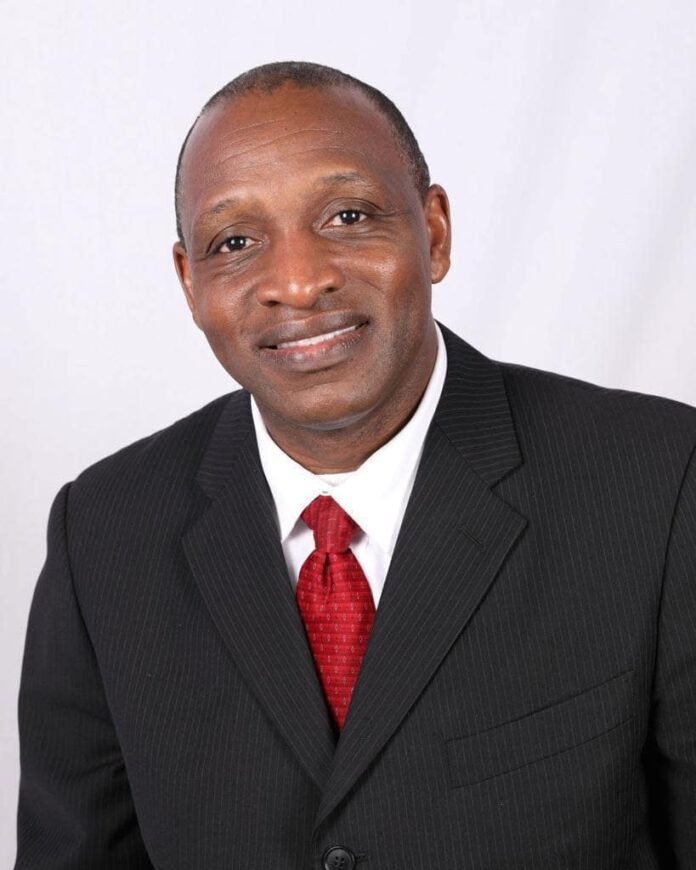
Dr. Isaac Newton is a leadership strategist, governance expert, and author educated at Harvard, Princeton, Columbia, and Oakwood University. He advises leaders and institutions across the Caribbean and beyond on ethical leadership, organizational culture, and transformational change. He is the author of Face Life Squarely, co author of Steps to Good Governance, and co author of the upcoming book Daring to Hope.