

ST. JOHN’S, Antigua — Government senators on Monday used their majority to pass the Fatal Accidents Bill 2026 after defeating opposition attempts to amend legislation designed to modernize how families seek compensation when a loved one dies as a result of another person’s wrongful conduct.
The bill repeals Antigua and Barbuda’s 1924 Fatal Accidents Act and establishes a new legal framework allowing eligible dependents to recover damages for the financial loss caused by a wrongful death. It also introduces a statutory bereavement award of up to $20,000, broadens the categories of persons who may qualify as dependents, removes the requirement that bereavement awards be divided equally among beneficiaries and makes clear that compensation cannot be reduced because a family receives insurance proceeds or Social Security survivor benefits.
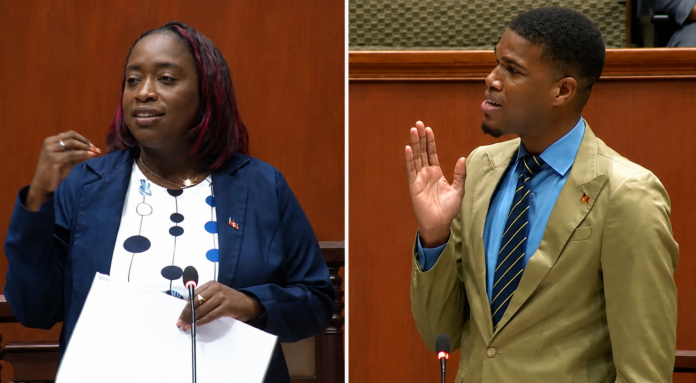
Leading debate for the government, Leader of Government Business Senator Shenella Govia described the legislation as long overdue, saying it reflects modern family structures and places fairness and compassion at the centre of the justice system.
“This bill is really about families,” Govia told senators. “Families whose lives have been shattered by the wrongful loss of a loved one.”
She said no amount of money can compensate for the death of a parent, spouse or child, but argued that the law provides a fairer process for dependents seeking damages following a wrongful death. Govia also stressed that the legislation is not limited to fatal road crashes but applies to deaths caused by wrongful conduct generally.
Opposition senators supported repealing the century-old law but argued the bill should have been strengthened before its passage.
Jonathan Wehner told the Senate the legislation was a significant improvement over the existing Act but said Parliament should use the opportunity to correct shortcomings before it became law.
Among the changes sought by the opposition was an amendment to Clause 4 to extend bereavement damages to surviving common-law partners. Opposition senators argued that while Clause 2 recognized cohabiting partners as dependents for some purposes, Clause 4 excluded them from those entitled to bereavement damages, creating what they described as an inconsistency within the legislation.
The opposition also sought to reduce from one year to six months the period before dependents could commence legal proceedings where a deceased person’s personal representative failed to do so.
Another proposed amendment would have allowed the $20,000 maximum bereavement award to be reviewed periodically rather than remain fixed in the legislation. Opposition senators argued that inflation would steadily erode the value of the award and suggested either indexing the payment or allowing Parliament to revise it through regulations.
Ashworth Azille supported those amendments, arguing that while the legislation represented welcome progress, Parliament should pass the strongest possible law rather than defer improvements to a later date.
Government senators rejected each proposal during the committee stage.
Responding on behalf of the government, Govia said legislation naturally evolves and maintained that Parliament could revisit the Act in the future if experience showed further amendments were necessary.
“There is not ever going to be one perfect bill that covers everything because time evolves,” she said. “As we see situations arise, we come back to this honourable House and amend and adjust accordingly.”
After the proposed amendments were defeated, the Senate approved the Fatal Accidents Bill by majority vote, clearing the way for the legislation to replace the 102-year-old law governing civil claims arising from wrongful deaths.
This article was originally published by Antigua News Room. Read the original article here: Government Rejects Opposition Changes Before Passing Fatal Accidents Bill.