
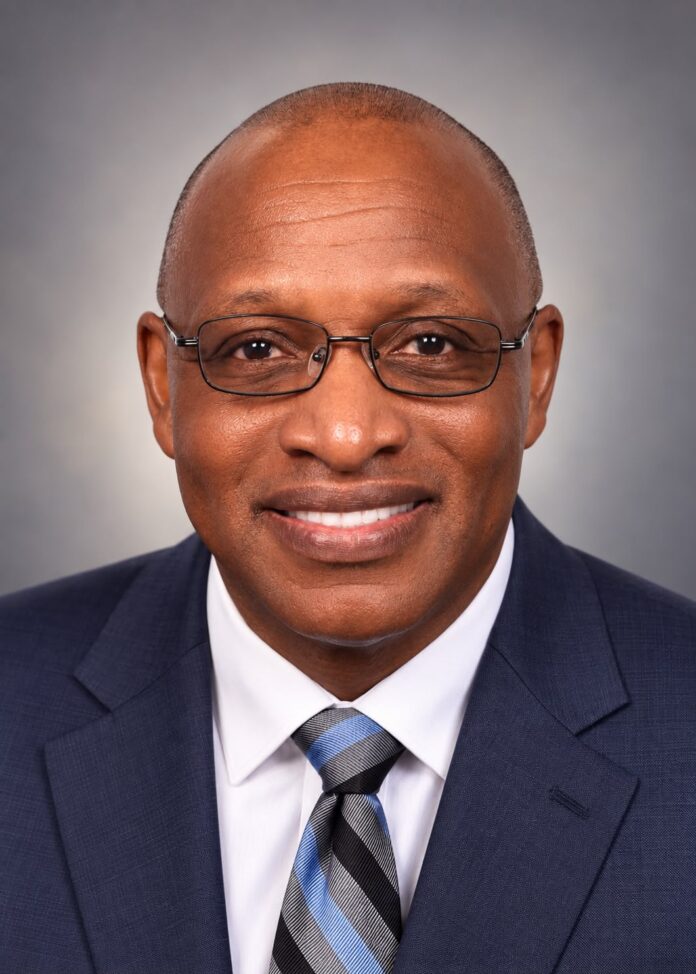

By Dr. Isaac Newton
The Caribbean faces a defining test of diplomatic maturity. Recent divisions over the United Nations resolution calling for an end to the United States embargo against Cuba expose a fundamental weakness. Individual governments are confronting external pressure without sufficient regional support. Every Caribbean nation has a duty to protect its citizens and maintain constructive relations with Washington. Yet accommodation is not influence, and compliance guarantees no favourable outcome. The embargo remains ethically indefensible, economically destructive and deeply inhumane. The region must defend its independent judgment while engaging the United States with diplomatic realism. Our individual vulnerabilities must never become our collective foreign policy. This should be a guiding principle of Caribbean diplomacy.
CARICOM must now turn that principle into practical action. Three priorities deserve urgent attention. Establish a common consultation mechanism before consequential international votes. Create regional diplomatic support for governments facing visa restrictions, economic pressures and security concerns. Establish a standing humanitarian diplomacy and mediation initiative capable of bringing international partners to the negotiating table. Unity does not require identical national interests. It requires recognizing where our interests are shared and defending them together. CARICOM must move beyond occasional declarations of solidarity toward sustained diplomatic influence, informed by shared intelligence, coordinated positions and measurable commitments.
CARICOM also has an opportunity to facilitate renewed bilateral engagement between Cuba and the United States, beginning with immediate humanitarian relief and practical confidence-building measures. The region must demonstrate that it can do more than challenge the decisions of powerful nations. It can help shape solutions. Caribbean countries may lack the economic and military resources of larger states, but collective purpose, intellectual leadership and diplomatic initiative are formidable sources of influence. Future generations deserve a Caribbean that negotiates with confidence, stands on principle and understands that national sovereignty draws its greatest strength from regional solidarity.
EDITOR’S NOTE: Dr. Isaac Newton is a leadership strategist, governance scholar and author specializing in institutional excellence, ethical leadership and human development. Educated at the University of the Southern Caribbean, Oakwood University, Princeton, Columbia and Harvard, he writes on leadership, governance and the development of people and institutions. He is the author of Fix It Preacher, Face Life Squarely and Intimate Intimacy, and co-author of Steps to Good Governance, Daring to Hope, When Nations Kneel and The Belief Code.
This article was originally published by Antigua News Room. Read the original article here: COMMENTARY: Our Individual Vulnerabilities Must Never Become Our Collective Foreign Policy.