

The Necessity of Prayer (Faith Focus)
We live in a time when solutions are constantly being proposed for the challenges we face — from community initiatives to government programs, from personal resolutions to social campaigns. Yet, too often, our best-laid plans falter. We set out with determination, but distractions creep in, resources run thin, and discouragement takes hold. The problem is not always the lack of effort; sometimes it is the absence of a deeper anchor.
When Our Efforts Fall Short
Think of the countless initiatives across Antigua and Barbuda — neighborhood clean-ups, youth mentorship projects, even personal commitments to healthier living. They begin with enthusiasm, but without consistency and resilience, many fade away. The truth is, human strength alone is fragile. We need something greater to sustain us when our own energy runs dry.
Prayer as the Missing Ingredient
This is where prayer makes the difference. Prayer is not ritual or superstition; it is relationship. It is the daily act of pouring out our hearts to God, trusting Him with our fears and hopes, and allowing His wisdom to guide our steps. As Psalm 62:8 reminds us: “Trust in Him at all times, you people; pour out your heart before Him; God is a refuge for us.”
Prayer transforms initiatives from human projects into divine partnerships. It shifts the burden from “what we can do” to “what God can do through us.”
Building Habits That Last
Daniel’s story (Daniel 6:10) shows the power of consistent prayer. Even under threat, he prayed three times a day. That rhythm anchored his faith and gave him courage. In our own lives, prayer habits can anchor us too. Morning prayers set the tone, midday prayers refocus us, and evening prayers bring closure and peace.
Imagine if every community initiative in Antigua began and ended with prayer. The resilience it would bring could turn fragile efforts into lasting change.
Prayer That Speaks Through Scripture
Jesus gave us the Lord’s Prayer (Matthew 6:9–13) as a model. It balances praise, petition, confession, and trust. Praying Scripture keeps our conversations with God grounded and holistic. It reminds us that prayer is not only about asking but also about aligning our hearts with His Word.
The Strength of Collective Prayer
Acts 12 tells of believers praying together for Peter’s release. Their united voices moved heaven and earth. In Antigua, we know the power of coming together — whether in cricket, carnival, or community action. Imagine that same unity expressed in prayer. Collective prayer strengthens bonds, multiplies hope, and often brings answers beyond what we expect.
The Peace That Surpasses Understanding
Finally, Philippians 4:6–7 assures us that prayer brings peace that transcends circumstances. Gratitude in prayer transforms anxiety into trust. In a society where stress and uncertainty are common, prayer offers a refuge no initiative alone can provide.
Closing Reflection
Our initiatives matter. Our efforts matter. But without prayer, they risk becoming fleeting sparks instead of lasting flames. Prayer is the necessity that sustains vision, strengthens trust, and unites communities. It is the lifeline that steadies us in chaos, the whisper that builds resilience, and the chorus that multiplies hope.
In Antigua and Barbuda, as in every corner of the world, prayer is not just tradition — it is transformation. It is the difference between projects that fade and movements that endure.
About the Author
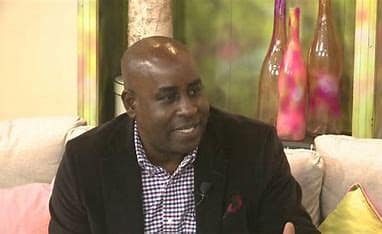
Garfield Joseph is the Executive Director of a public sector organization in Antigua and Barbuda, where he serves as the senior operational leader responsible for translating government policy, strategy, and national objectives into day-to-day action. His work spans strategic execution, financial oversight, stakeholder engagement, and advising senior decision-makers on economic and development matters.
He has also served as an Adjunct Lecturer at the University of the West Indies Five Islands Campus, teaching capstone courses in Business Strategy and Policy and Business, Government and Society. With experience across both the public and private sectors, he writes frequently on investment, entrepreneurship, and long-term decision-making, with a particular interest in helping ordinary people understand complex issues in practical, accessible ways