
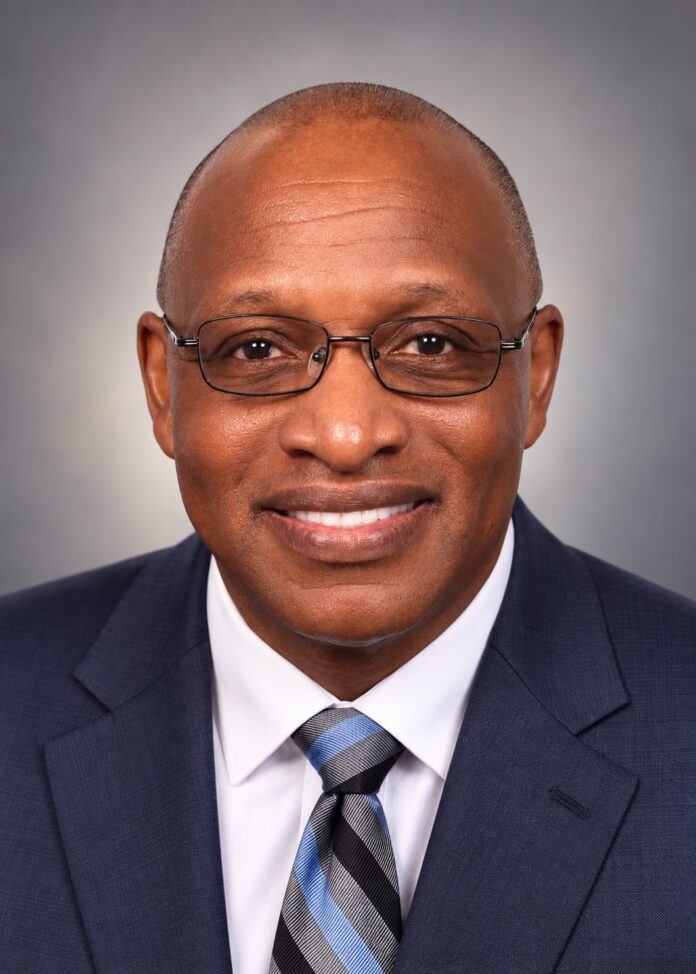

By Dr. Isaac Newton
A Nigerian proverb warns, “The man who swallows a whole coconut must trust his throat.” Some risks are simply too costly to take. A secret favor, an unexplained gift, or a private promise can destroy years of public service. When I was a young man growing up in my small village, faithful young leaders taught me a song that has never left my soul: “There’s a Father up above, looking down with tender love; watch your hands, watch your hands, what they do.” Those simple words taught me a lifelong lesson: character reveals itself in the choices we make when nobody appears to be watching. Nelson Mandela captured this truth when he observed, “A good head and a good heart are always a formidable combination.” Leadership requires both the wisdom to recognize danger and the character to resist it. The surest protection against scandal is to establish boundaries before temptation arrives.
The Rt. Hon. Dr. Denzil L. Douglas, a four-term Prime Minister, offers three practical tests: never envy what other people have; ask yourself, “If my parents were with me, would I be doing this?”; and remember that there is a God who never put on pajamas. These reminders confront greed, awaken conscience, and challenge the illusion that wrongdoing escapes accountability after dark. Warren Buffett’s warning about reputation reinforces the point: “It takes 20 years to build a reputation and five minutes to ruin it.” One reckless decision can jeopardize a lifetime of earned trust. Before accepting a gift, approving a payment, or granting a favor, ask three questions: Is it lawful? Is it ethical? Can I explain it honestly to the public? Disclose conflicts of interest, document expenses, follow procurement rules, and submit decisions to independent scrutiny. Former Bermuda Premier Paula Cox puts the principle plainly: “Integrity matters above all else.” If a gift creates an obligation you cannot disclose, its true price may be your independence.
Track Exec Orders
Integrity must also shape the systems through which leaders exercise power. Keep proper records, respect legitimate confidentiality, and never use secrecy to hide misconduct. Document sensitive decisions, observe appropriate safeguards in private meetings, and resist pressure to approve transactions before examining the facts. Every leader needs a trusted adviser who can challenge a decision without fearing retaliation. Former Jamaica Stock Exchange Managing Director Dr. Marlene Street Forrest captures the practical meaning of good governance: “There’s only good in good governance when you do things right. Doc, a so de ting set.” Her words bring governance down to earth: principles matter when they guide actual decisions. Transparency limits favoritism; independent oversight exposes conflicts; and accountability protects institutions from personal abuse. If nobody can question your decisions, nobody can reliably protect the institution you lead.
A leader’s legacy rests on more than accomplishments, awards, or years in office. It rests on the trust that remains when the title is gone. Allegations require evidence, and fairness and due process must always prevail. Yet leaders can reduce the risks of scandal by choosing discipline over impulse, disclosure over concealment, and public service over private advantage. I return to the song I learned in my village: “Watch your hands, watch your hands, what they do.” Those hands can misuse public resources or put personal gain ahead of duty. They can also build schools, protect vulnerable people, and restore confidence in institutions. The difference lies in the values guiding every decision. Guard your character before you guard your reputation. Protect the public trust before you protect your position. And when your leadership ends, leave behind a record that your family can respect, your community can trust, and history can examine without shame. Lead without leaving a scandal behind.
Editor’s Note: Dr. Isaac Newton is a leadership strategist, governance scholar, and author specializing in institutional excellence, ethical leadership, and human development. Educated at the University of the Southern Caribbean, Oakwood University, Princeton, Columbia, and Harvard, he writes on leadership, governance, and institutional development. His books include Fix It Preacher, Face Life Squarely, and Intimate Intimacy. He is also coauthor of Steps to Good Governance, Daring to Hope, When Nations Kneel, and The Belief Code.
This article was originally published by Antigua News Room. Read the original article here: COMMENTARY: Lead Without Leaving A Scandal Behind.