

Empire, Reparations and the Unfinished Meaning of Caribbean Independence
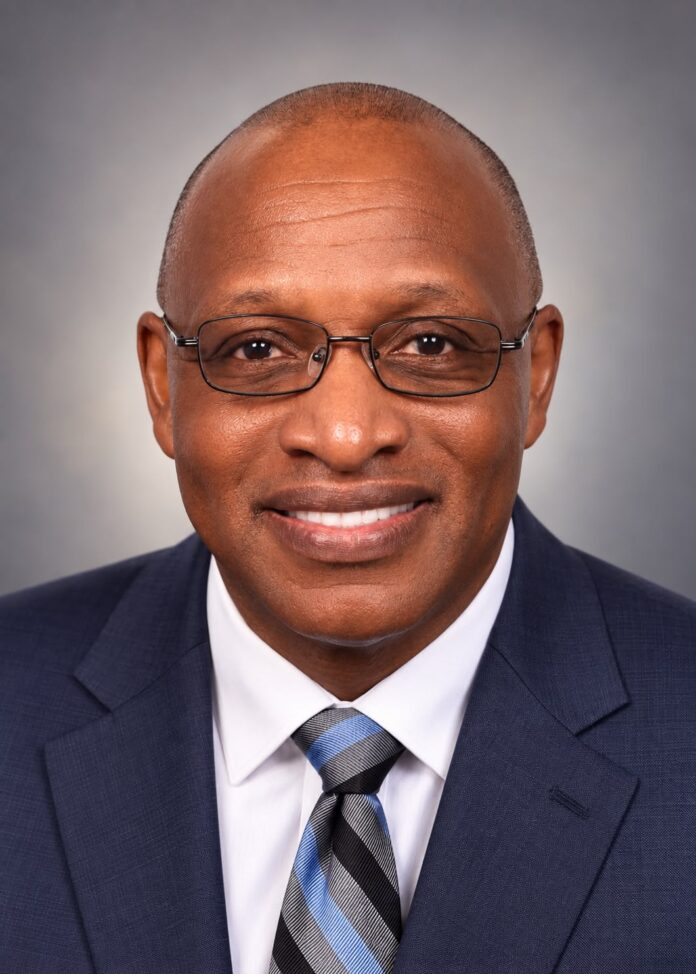
By Dr. Isaac Newton
History has an extraordinary way of arranging its own symbolism. As rain descended upon King Charles III during Antigua and Barbuda’s 45th Independence celebrations, the Caribbean welcomed the British monarch while confronting the unfinished business of British colonialism. Forty-five years after independence, the symbolism was difficult to escape.
The former imperial power was represented by its monarch, while the independent nation hosting him was questioning whether that same monarch should remain its constitutional head of state. Meanwhile, the Commonwealth gathered against a backdrop of renewed demands for an apology and reparatory justice. The rain was incidental. The history was not. Sometimes a nation must welcome its past before it can negotiate its future.
The positions of British Prime Minister Andy Burnham and Antigua and Barbuda’s Prime Minister Gaston Browne reveal the extraordinary tensions of this moment. Burnham has opened the door to a formal apology and structured dialogue while ruling out financial reparations. Browne maintains that an apology cannot extinguish the obligation to pursue reparatory justice. He also advocates replacing the British monarch with an Antiguan head of state, while acknowledging that the ultimate constitutional decision belongs to the people. Here is the paradox. Britain appears prepared to acknowledge the moral injury while resisting material accountability. Antigua and Barbuda extends diplomatic courtesies to the Crown while reconsidering the Crown’s constitutional place. One government is negotiating the language of historical responsibility. The other is confronting the unfinished meaning of political independence. Neither conversation can be reduced to ceremony.
But what, precisely, does an apology accomplish? It acknowledges wrongdoing, restores a measure of dignity to those whose suffering was denied, and establishes an important moral record. Yet acknowledgment and repair are different obligations. The transatlantic slave trade extracted human lives, labour, wealth and opportunity on an industrial scale. Its consequences outlived emancipation and colonial rule. Reparatory justice must surely invite serious consideration of education, healthcare, institutional development, cultural restoration, economic opportunity, debt justice and other forms of meaningful redress. There is massive historical evidence, but it requires transparent negotiations and credible commitments. Equally, it demands that Caribbean governments demonstrate that the pursuit of justice is connected to a compelling vision of national development. An apology devoid of meaningful engagement with the consequences of historical injustice risks becoming an elegant expression of regret. Reparations outside of transparent objectives and accountable institutions risk losing their transformative promise. Justice must reach beyond remembrance into the conditions of people’s lives.
Perhaps this is the Commonwealth’s defining opportunity. Can an association born from empire mature into a partnership among genuinely equal and sovereign nations? Can Britain acknowledge its historical inheritance with concrete accountability? Can Caribbean leaders transform historical recognition into institutions, opportunities and prosperity for generations yet unborn? These are questions of political courage, moral imagination and practical leadership. Independence was a historic achievement, but its promise must be judged by the freedom, dignity and possibilities available to ordinary citizens. The Caribbean will not choose between remembering its history and building its future. It must do both. The rain will pass. Monarchs will change. Governments will come and go. But the moral questions raised by slavery and empire will remain until they receive answers worthy of history. An apology may acknowledge the past. Only a sustained commitment to justice can help repair its consequences. And no nation can claim to have completed its journey to freedom while leaving the promise of independence beyond the reach of its people.
EDITOR’S NOTE: Dr. Isaac Newton is a leadership strategist, governance scholar and author specializing in institutional excellence, ethical leadership and human development. Educated at the University of the Southern Caribbean, Oakwood University, Princeton, Columbia and Harvard, he writes on leadership, governance and the development of people and institutions. He is the author of Fix It Preacher, Face Life Squarely and Intimate Intimacy, and co-author of Steps to Good Governance, Daring to Hope, When Nations Kneel and The Belief Code.
This article was originally published by Antigua News Room. Read the original article here: COMMENTARY: An Apology cannot Settle the Debt.