

Simone Bishop Matthews
Silent Killer or Call for Help
By- Simone Bishop Matthews
The Center for Disease Control and Prevention (CDC)’s National Health and Nutrition Examination Survey warns about the increasing rates of pre-diabetes recorded among 12-17-year old adolescents in the United States from 2005-2023. This represents more than just a reading on a glycemic scale but projects a health crisis marked by an increased risk of Type 2 diabetes and other health complications among young people.
While usually discussed in terms of blood sugar levels, medication and medical complications, the daily realities of living with diabetes particularly for children, adolescents, and young adults extend far beyond clinical management. It is also about ensuring that persons living with the condition are supported emotionally, socially, academically, and financially so they can participate fully in society and pursue their ambitions without being defined by their diagnosis.
Are We Fighting a Losing Battle?
The International Diabetes Federation projects the number of adults aged 20-79 years living with diabetes in St. Lucia to be 20.7 thousand in 2050. A staggering figure that seems unbelievable but warns of worsened population health if poor lifestyle choices and non-existent or laxed regional regulation of highly processed, unhealthy products continue.
Like many Caribbean nations, diabetes is a major health concern and cause of premature death in St. Lucia – prevalent among 18.9% of adult women and 18.3% of adult men. Notably, insufficient physical activity and poor eating habits worsen rates of overweight and obesity, complicating diabetes development and progression. Recent evidence also links a nutritional shift to the increased consumption of prepackaged, convenience foods and sugar-sweetened beverages and less fruits and vegetables.
Relatedly, during the 51st Heads of Government Meeting of the Caribbean Community (CARICOM) held in Saint Lucia on July 5-8, 2026, CARICOM’s Vision 25 by 2025+5 initiative was highlighted. Initially established to reduce the region’s high import bill and increase regional agricultural production and trade, its mention not only underscores the stalled progress towards achieving regional food and nutrition security but its glaring impact on non-communicable disease (NCD) development.
Diabetes Awareness and Management
The St. Lucia Diabetes and Hypertension Association (SLDHA) plays a crucial role in public awareness and community outreach. In collaboration with the Healthy Caribbean Coalition (HCC) and Healthy Caribbean Youth (HCY), they hosted a two-day Caribbean youth advocacy training on the 10-11 April 2026 supported by the Commonwealth Foundation. Informed by the recently launched Guidance document on Meaningful Engagement of Youth, this training created a safe space for youth advocates: Zhané, Shelley and Grace to provide insight into their experiences in St. Lucia.
“I feel like they (healthcare workers) are just here for the job” – an eye-opening revelation made by Grace, a young person living with Type 1 diabetes, in receiving treatment at local public health facilities. While her experience is not reflective of the national standard of care or support offered, it reiterates the need for education, training and/or resensitization of our teachers, healthcare professionals, caretakers and the public in acting with more empathy towards those living with chronic diseases, particularly our youth. The far-reaching nature of diabetes warrants governments to “create spaces for more engagement” and promote “ways for people to receive treatment and access to care or support more easily”.
Walking in Their Shoes
For many people in the Caribbean, diabetes requires constant self-management, but some choices are not always easy to make. “Living with an NCD teaches you that health is not only about treatment…it is also about access, education, support, affordability, stigma, mental health and dignity” – Sonté, Youth advocate and young person living with Type 1 diabetes.
It is important to also cater to the responsibilities of self-management and the emotional and psychological impact that comes with it. A crucial effect often overlooked in the Caribbean. Feelings of isolation, stigma, or misunderstanding can affect self-esteem and mental well-being, highlighting the need for stronger emotional support systems in schools, families, and communities.
Beyond the personal challenges, diabetes carries a considerable financial burden. The ongoing costs of insulin, glucose monitoring supplies, medications, medical appointments, and healthy food choices can strain household finances, especially among families with limited incomes or access to consistent healthcare.
Way Forward
It’s clear that tackling diabetes requires a holistic approach from our governments, persons living with diabetes, civil society organisations and communities. “Lived experience is expertise…it is data that explains how it feels, why barriers exist, and what solutions may actually work in real life” (Sonte, Youth advocate and young person living with Type 1 diabetes). Furthermore, “listening to the problems of the person with the NCDs” helps to amplify their voices.
In recognition of World Diabetes Day, observed on Saturday 14th November, 2026, we are called to prioritize “early action on diabetes”. This action requires meaningful engagement of those living with diabetes and our young people. A call that sets the premise for the conceptualization and development of the above-mentioned youth-focused guidance document.
It is our hope that through the renewed focus on regional food and nutrition security among our government leaders and the holistic understanding of diabetes from a clinical, psychological and financial perspective, that people living with this condition or at risk feel supported, meaningfully engaged and empowered to live fully and beyond their diagnosis.
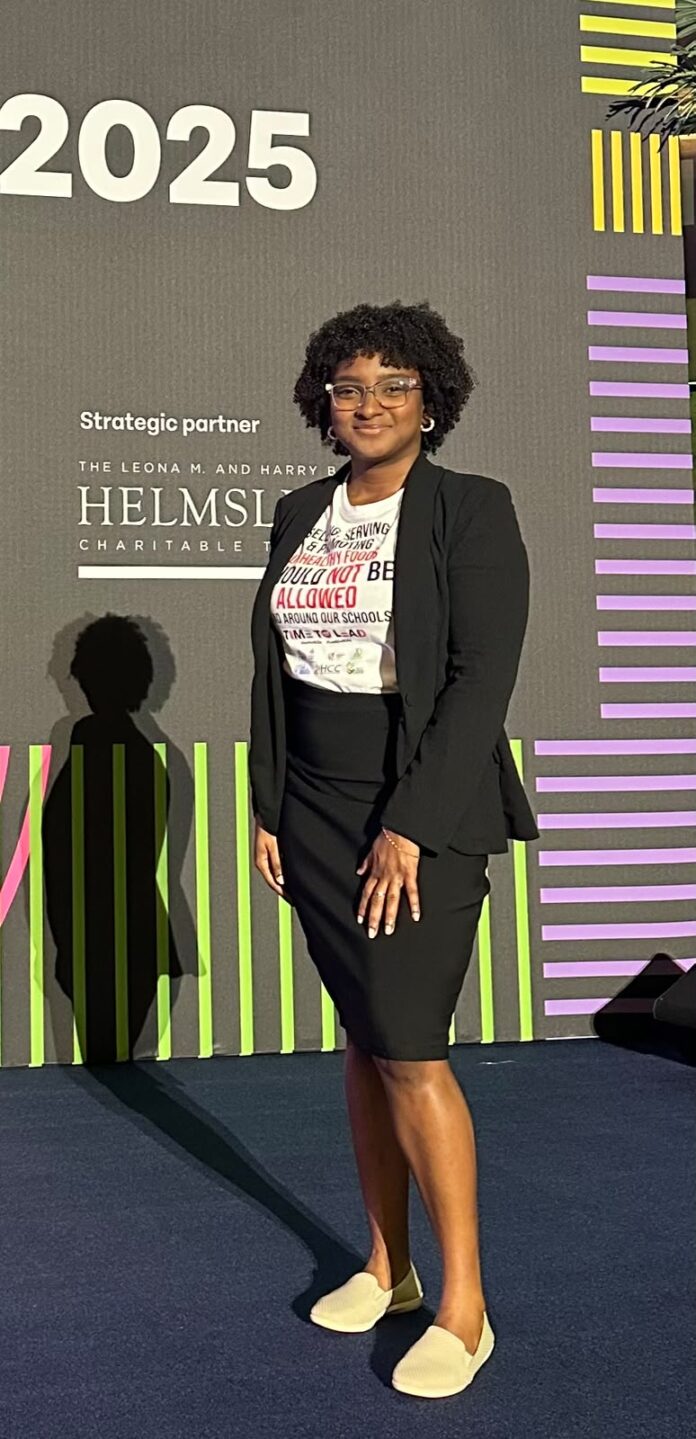
Ms. Simone Bishop-Matthews is a Trinidadian Public Health Advocate based in Saint Lucia and a member of the Healthy Caribbean Youth.
This article was originally published by Antigua News Room. Read the original article here: OPINION: Living Beyond the Diagnosis: A Focus on Diabetes.