
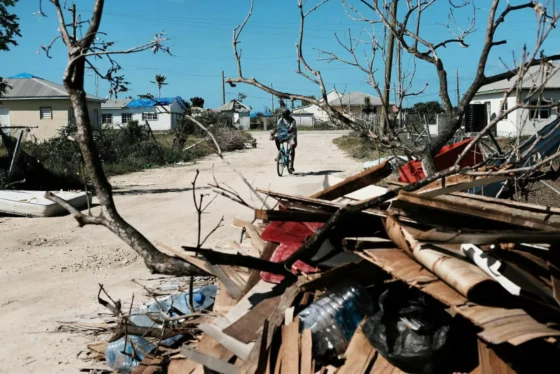

After getting hit with Hurricane Irma in 2017, Antigua and Barbuda is still recovering. It’s one of many countries that will need hundreds of millions of dollars to prepare for stronger storms and other climate impacts.
Environment Minister Michael Joseph says continued use of fossil fuels will make it more expensive for small island states to adapt to climate change, as stronger hurricanes threaten infrastructure built to withstand current conditions.
Speaking during a Project Syndicate interview at COP31 in Antalya, Joseph said countries such as Antigua and Barbuda must invest in climate-resilient infrastructure while facing increasingly severe climate impacts.
“The more we continue to use fossil fuel, the more expensive adaptation becomes,” he said, adding that the region is now discussing Category 5 hurricanes occurring more frequently.
Joseph said scientific projections indicate hurricanes will become stronger if fossil-fuel use continues. He warned that infrastructure considered resilient today may not be able to withstand the conditions island states face in the future.
“What we estimate to be resilient now will not be resilient in 20 years,” he said.
Joseph said small island states are calling for the adaptation budget to be tripled so they can keep building and upgrading infrastructure to withstand climate impacts. He argued that countries contributing most to pollution should help cover the costs borne by nations that are already dealing with the consequences.
The minister also said the effects of climate change are increasing the pressure on island economies and livelihoods, making adaptation finance a central issue in negotiations.
This article was originally published by Antigua News Room. Read the original article here: Joseph links stronger hurricanes to rising adaptation costs for island states.