
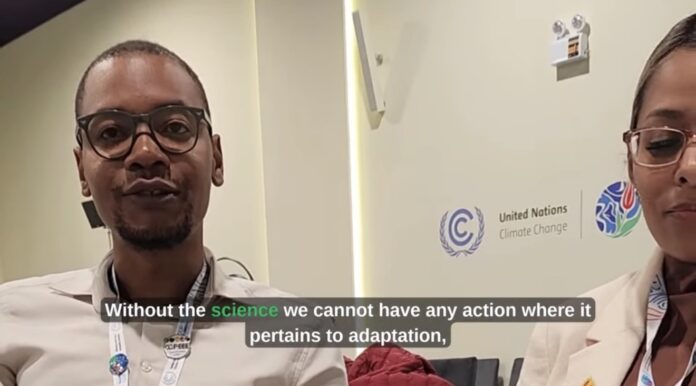

Antigua and Barbuda, alongside the Alliance of Small Island States (AOSIS), has secured important gains in climate science negotiations at COP31 in Türkiye.
The negotiations, known as Research and Systematic Observation (RSO), concluded on Saturday with stronger international recognition of worsening climate conditions and the need to protect vulnerable countries.
Countries acknowledged rising global temperatures, record greenhouse gas concentrations, warming oceans, accelerating sea-level rise and melting glaciers. They also recognized the dangers of exceeding the critical 1.5°C warming limit.
For Antigua and Barbuda, these threats mean increased risks to beaches, coastal communities, tourism, fisheries, agriculture and water supplies.
Importantly, the conclusions highlighted the need for stronger weather monitoring, improved early warning systems and greater financial and technical support from developed countries.
They also emphasized fair access to climate information, technology and training, enabling small islands to better prepare for hurricanes, flooding, droughts and other climate threats.
While these agreements do not automatically provide funding, they strengthen the basis for securing international assistance and protecting vulnerable communities.
For Antigua and Barbuda, this is more than a scientific achievement. It is about protecting lives, livelihoods, our environment and the future of our nation.
This article was originally published by Antigua News Room. Read the original article here: Antigua and Barbuda Secures Key Climate Science Gains at COP31.