

Strengthening epidemiological surveillance, improving the use of health information and enhancing public health emergency preparedness remain important priorities for the Ministry of Health, Wellness, the Environment and Civil Service Affairs.
These priorities informed Antigua and Barbuda’s participation in two regional workshops held in Saint Lucia from 16 to 20 November 2026, which focused on public health risk assessment, integrated health surveillance and emergency preparedness across the Eastern Caribbean.
On 16 November, the engagements opened with a training workshop on the Quick and Immediate Risk Assessment (QIRA) algorithm, at which the Ministry was represented by Dr. Teri-Ann Joseph, Deputy Chief Medical Officer. Developed by the Pan American Health Organization/World Health Organization (PAHO/WHO), the algorithm supports the rapid assessment of emerging public health threats.
During the training, participants learned to use the algorithm as a structured approach to assessing public health events and determining whether immediate intervention is needed. They examined five assessment domains: high-threat hazards; exposure; severity; potential spread and scale; and response capacity and vulnerabilities. Practical exercises involving infectious diseases, chemical incidents, zoonotic threats and other hazards allowed participants to apply the algorithm to scenarios requiring prompt public health decisions.
From 17 to 20 November, the Eastern Caribbean Countries (ECC) Integrated Health Surveillance Workshop brought together representatives from Eastern Caribbean countries, PAHO/WHO, the Organisation of Eastern Caribbean States (OECS), the Caribbean Public Health Agency (CARPHA) and other technical partners to review progress in surveillance systems and set priorities for 2027.
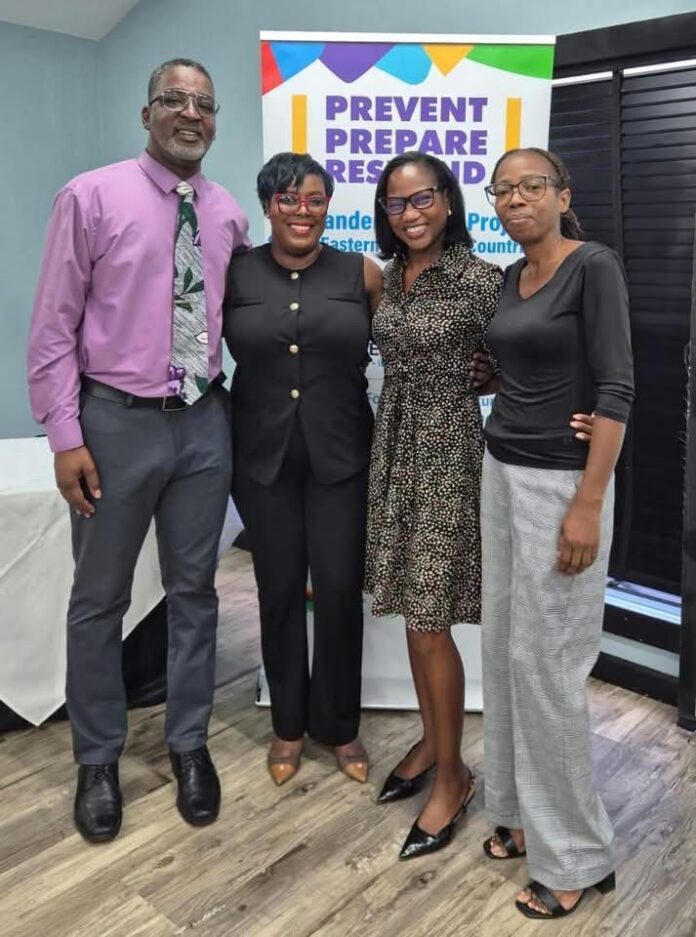
Antigua and Barbuda’s four-member delegation comprised Dr. Teri-Ann Joseph; Ms. Samantha Moitt, Chief Nutrition Officer; Mr. Osbert Josiah, Information Technology Manager at Sir Lester Bird Medical Centre (SLBMC) and Lead for Health Digitisation; and Ms. Shonnette Harewood, Senior Medical Laboratory Technologist at SLBMC.
Discussions covered communicable and non-communicable disease surveillance, event-based surveillance, laboratory services and health information systems, with particular attention to improving how health information is collected, integrated and analysed. Improvements in data quality and integration can support earlier detection of public health threats, more effective monitoring of disease trends and timely interventions.
As part of the technical discussions, Antigua and Barbuda delivered presentations on laboratory accreditation and birth registration. These areas are important to strengthening the quality and reliability of laboratory services and ensuring that vital events data contribute to national surveillance and health planning.
The exchange of country experiences also provided opportunities to examine approaches to strengthening epidemiological surveillance, laboratory reporting and coordination, digital health information systems, and the translation of surveillance findings into public health action.
Country delegations identified their priorities for 2027, taking into account existing capacities, outstanding gaps and opportunities for regional collaboration. These outcomes will help guide national planning and highlight areas where coordinated technical assistance and shared regional expertise can support implementation.
For Antigua and Barbuda, the technical approaches and experiences shared during the workshops will inform ongoing efforts to strengthen epidemiological capacity, laboratory services and digital health information systems, particularly in improving the quality, accessibility and use of surveillance information to support timely, evidence-informed public health decisions.
This article was originally published by Antigua News Room. Read the original article here: Antigua and Barbuda moves to spot disease outbreaks earlier and respond faster.