
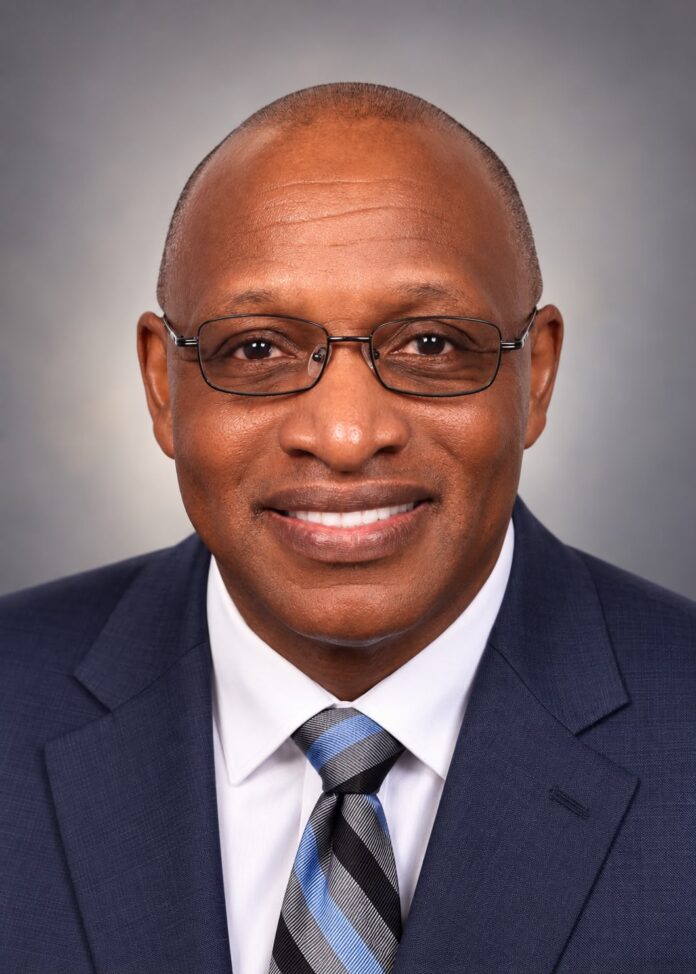

By Dr. Isaac Newton
As I travel across the Caribbean, I have met graduates eager to contribute their talents across the region but frustrated by barriers to mobility. I have encountered farmers with produce to sell but limited access to regional markets. I have also seen small island states struggle to influence global negotiations on climate finance. These experiences reveal a troubling contradiction. We speak confidently about regional integration, yet struggle to deliver its promises. CARICOM does not lack leaders, treaties, summits, or declarations. It lacks the discipline to turn collective commitments into improvements citizens can see and experience. Calls for a permanent political head or extended leadership tenure therefore deserve careful scrutiny. Continuity can strengthen leadership, but it cannot guarantee accountability. A bigger title cannot repair weak implementation, competing national interests, or unequal institutional capacity. The Caribbean must learn to strengthen regional leadership while protecting national sovereignty. Three questions demand honest answers. Who authorizes regional leadership and holds it accountable? How do smaller states protect their voices when influence is unequal? What happens when governments disregard agreements they freely signed? A region struggling to implement existing decisions should think carefully before creating another office to oversee them.
The priority should be a CARICOM Compact for Leadership, Delivery, and Shared Prosperity, built on five commitments: clearly assigned responsibilities, a professional implementation team, measurable national targets, predictable financing, and independent quarterly public reporting. Every regional initiative should have an accountable government, a realistic deadline, appropriate funding, and measurable results. Smaller states should receive safeguards and technical support suited to their circumstances. Persistent failure should require public explanation and corrective action. Caribbean diplomatic missions could coordinate positions on climate finance, international trade, and correspondent banking while preserving national diplomatic relationships. A properly governed diaspora investment facility could mobilize capital and expertise. Youth ambassadors could help citizens understand their rights and report barriers to regional mobility. Cooperation must produce tangible gains: better market access, stronger food security, more jobs, greater investment, and improved climate resilience. These are the returns citizens should expect from integration. They turn goodwill into work, declarations into deadlines, and regional ambition into public value. Above all, they build institutions capable of delivering beyond the tenure of individual leaders.
I envision a Caribbean where graduates move freely, farmers reach regional markets, businesses trade more easily, and small states negotiate climate finance with greater collective influence. That is integration people can touch, measure, and experience. Heads of government must answer three questions. What will we accomplish together? Who will deliver it? When will citizens see the results? Our political culture must reward cooperation, honor commitments, and place the public interest above political convenience. We should not enlarge the machinery of regional leadership before fixing the machinery of regional performance. Sovereignty gives our nations their voice. Cooperation gives that voice greater reach. Accountability gives it credibility. The ultimate test is simple. Can citizens identify something regional cooperation has made possible that no individual country could have achieved as effectively alone? Our children deserve a Caribbean where opportunity extends beyond birthplace, independence delivers economic dignity, and twenty nations discover the possibilities of acting together. Our greatest inheritance will be a generation that does not simply celebrate One Caribbean but experiences the power of One Caribbean working.
EDITOR’S NOTE
Dr. Isaac Newton is a leadership strategist, governance scholar, and author specializing in institutional excellence, ethical leadership, and human development. Educated at the University of the Southern Caribbean, Oakwood University, Princeton, Columbia, and Harvard, he writes on leadership, governance, and institutional development. He is the author of Fix It Preacher, Face Life Squarely, and Intimate Intimacy, and co-author of Steps to Good Governance, Daring to Hope, When Nations Kneel, and The Belief Code.
This article was originally published by Antigua News Room. Read the original article here: COMMENTARY: CARICOM: One Caribbean, Twenty Voices, But Who Delivers?.