
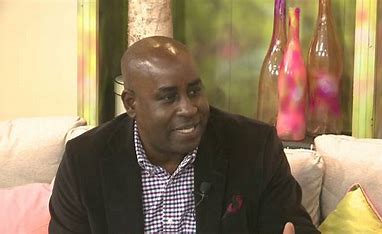

By Garfield Joseph, MBA
Every year, thousands of people make decisions that alter the course of their lives. Some resign from jobs they later wish they had kept. Others rush into debt, business ventures, relationships, or major financial commitments they are not prepared to manage. Looking back, many discover that the problem was not a lack of opportunity, education, or intelligence. The problem was making an important decision before they had fully thought it through.
Life constantly presents us with problems that demand decisions. Some involve finances, others relationships, careers, health, education, business ventures, or family matters. While the circumstances may differ, one factor often determines whether the outcome is positive or negative: the quality of the thinking applied before a decision is made.
Unfortunately, many people spend more time deciding what phone to buy or what show to watch than they do making decisions that will affect their lives for years to come. Faced with pressure, uncertainty, or strong emotions, they rush toward the first solution that offers relief. In doing so, they often trade thoughtful analysis for immediate action.
The result is predictable. Poor decisions frequently create larger problems than the ones they were intended to solve.
Why Does This Happen?
One reason is that human beings are naturally drawn toward quick answers. Problems create discomfort, and discomfort creates a desire for immediate resolution. When emotions such as fear, anger, frustration, or anxiety enter the picture, our judgment can become clouded. Rather than carefully examining all the facts, we react.
Another reason is that critical thinking requires effort. It is easier to accept assumptions than to challenge them. It is easier to follow popular opinion than to examine alternatives. Yet the quality of our lives is closely connected to the quality of our thinking. Better thinking generally produces better decisions.
This is where a simple set of questions can prove invaluable.
Before deciding on any major course of action, we should ask six fundamental questions:
Who? What? When? Where? Why? and How?
Who will be affected by this decision?
Too often people focus only on themselves and overlook the impact their choices will have on family members, colleagues, employees, business partners, and the wider community.
What is the real problem?
Sometimes what appears to be the problem is merely a symptom of a deeper issue. Solving the wrong problem inevitably leads to frustration.
When does a decision truly need to be made?
While some situations require immediate action, many benefit from additional time, information, and reflection.
Where is the problem occurring?
Context matters. A challenge in one environment may require a very different solution in another.
Why is this happening?
This may be the most important question of all. Asking “why” forces us to dig deeper, challenge assumptions, and uncover root causes rather than treating surface symptoms.
How will the proposed solution work?
A solution that sounds appealing in theory may prove ineffective when subjected to practical realities.
These questions do more than provide information. They encourage critical thinking. They force us to slow down and examine a problem from multiple perspectives before deciding what to do.
A Simple Framework for Better Decisions
One practical approach is what I call the
P.I.E.D. Method
:
P – Pause:
Pause before reacting emotionally.
I – Investigate:
Investigate the facts and gather reliable information.
E – Evaluate:
Evaluate all reasonable options and their potential consequences.
D – Decide:
Decide only after careful consideration.
While this process may take time, it is usually far less costly than correcting the consequences of a poor decision.
Here in Antigua and Barbuda, individuals regularly make important decisions involving employment, education, migration, entrepreneurship, home ownership, and financial commitments. Some of these decisions shape entire futures. Yet many are made under pressure and without sufficient reflection. The consequences can last for years.
None of us can avoid problems. Difficulties are part of life. However, we can choose how we respond to them.
The difference between success and regret is often not intelligence, education, or opportunity. More often, it is the willingness to think carefully, ask better questions, and resist the temptation to settle for the first available answer.
Good decisions rarely happen by accident. They are usually the result of thoughtful, disciplined, and critical thinking. The good news is that better decision-making is a skill that anyone can develop.
The next time you find yourself facing a major decision, remember that every choice carries consequences. Some consequences last for days, others for years, and some for a lifetime. A few extra moments spent asking the right questions, gathering the right information, and evaluating the available options may be the difference between regret and success.
This week, commit to applying the P.I.E.D. Method to at least one important decision in your life. Pause. Investigate. Evaluate. Decide. You may discover that a few extra moments of thoughtful reflection can prevent years of avoidable consequences.
After all, problems may be unavoidable, but rushed decisions are usually optional. The quality of our decisions often determines the quality of our future
About the Author
Garfield Joseph is the Executive Director of a public sector organization in Antigua and Barbuda, where he is responsible for translating government policy and national objectives into operational action. His work spans strategic execution, financial oversight, and stakeholder engagement. He has also served as an Adjunct Lecturer at the University of the West Indies Five Islands Campus, teaching Business Strategy and Policy and Business, Government and Society. He writes a weekly commentary exploring issues that affect everyday life in Antigua and Barbuda, including business, entrepreneurship, public service, leadership, and personal responsibility. His goal is to inform, provoke thought, and contribute to meaningful dialogue on issues that shape individuals, organizations, and communities.
This article was originally published by Antigua News Room. Read the original article here: COMMENTARY: Rushed Decisions, Lasting Consequences.