

As Caribbean electricity systems undergo significant changes in how electricity is generated, distributed and consumed, the Caribbean Electric Utility Services Corporation (CARILEC) is strengthening the capacity of regional electric utilities to adapt their tariff structures to an evolving energy landscape.
Through a two-day workshop on: “Tariffs in Transition: Adapting Rate Design for a Changing Caribbean Power Grid”, held October 22 to 23, 2026, in Nassau, The Bahamas, CARILEC brought together representatives from ten (10) electric utilities and utility regulators, to examine the financial, operational and regulatory challenges associated with electricity tariff design.
Across the Caribbean, utilities are navigating several transitions simultaneously. Volatile international fuel prices continue to influence generation costs, while the integration of utility-scale renewable energy is changing electricity generation portfolios and investment requirements.
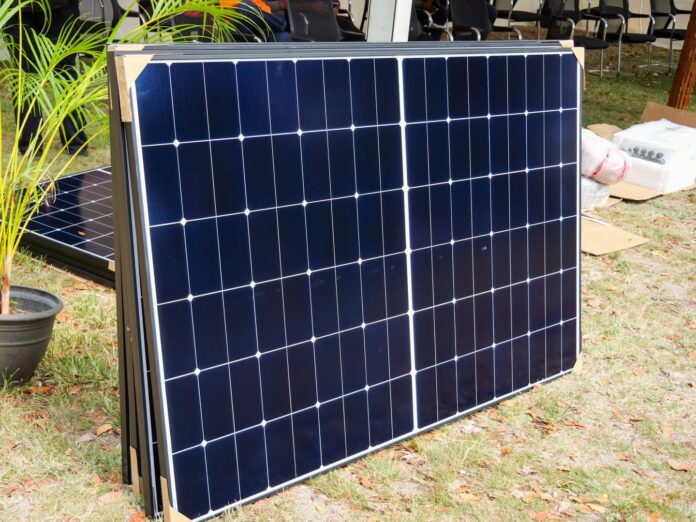
Meanwhile, increasing numbers of households and businesses are installing rooftop solar systems, generating electricity for their own consumption and, where permitted, exporting surplus power to the grid. Combined with evolving national energy policies and regulatory frameworks, these developments require adjustments in traditional electricity pricing models.
For utilities, the transition requires more than integrating new energy technologies. It also demands a reassessment of how electricity generation, grid infrastructure and associated services are valued, financed and recovered through tariffs, while maintaining affordability for consumers.
In addition, the evolving role of utilities, from primarily supplying electricity, continuing to ensure grid availability and providing flexibility services within an increasingly decentralized power system, should be adequately reflected in national policy and regulatory as well as in the related tariff frameworks.
The Tariffs in Transition workshop examined five critical areas shaping electricity pricing across the region: tariff mechanisms for managing fluctuating fuel costs and increasing renewable energy generation; compensation models for customers exporting self-generated electricity; grid and capacity charges to ensure fair cost allocation among all customers; renewable energy power purchase agreement pricing; and dynamic and time-of-use tariffs.
These discussions addressed important questions about how utilities can recover infrastructure costs, fairly compensate customers who generate electricity, encourage efficient consumption and maintain financial sustainability as electricity systems become more diversified.
Recognising that tariff reform cannot follow a single regional model, CARILEC combined technical presentations on regional and international practices with experiences shared by its member utilities. Through facilitated group exercises participants explored key issues across the five critical areas of tariff regulation, aiming to identify guiding principles, establish common positions, and define potential advocacy priorities.
The workshop demonstrated that Caribbean utilities are navigating a common transition: from energy-sales-focused business models toward network and service-oriented models. Future tariff design will need to balance affordability, equity, resilience, renewable energy integration, and financial sustainability.
While country circumstances differ, a clear regional direction emerged toward smarter tariffs, stronger DER management, improved cost recovery mechanisms and closer alignment between utilities, regulators and policymakers. Translating this shared direction into practice will require continued dialogue, peer learning and coordinated action across the region, with this workshop serving as a springboard in this regard.
This approach reflects CARILEC’s commitment to supporting member utilities through knowledge sharing, technical collaboration and constructive engagement with regulators and policymakers. As Caribbean countries advance their energy transition objectives, electricity tariff design will remain central to supporting renewable energy investment, maintaining reliable grid infrastructure and ensuring that the costs and benefits of the transition are distributed fairly.
CARILEC remains committed to equipping its member utilities with the knowledge and tools required to navigate technological change, evolving customer expectations and the financial and regulatory demands of modern electricity systems.
The Tariffs in Transition workshop followed the CAREC Conference & Exhibition 2026, hosted by CARILEC in collaboration with Bahamas Power & Light (BPL) and Grand Bahama Power Company (GBPC), under the theme “Empowering Progress: Strategic Policy and Planning for the Energy Transition.”
The Caribbean Electric Utility Service Corporation (CARILEC) is an Association of over one hundred and twenty (120) energy solution providers and other stakeholders operating in the electricity industry in the Caribbean. CARILEC was established in 1989 with nine (9) members as part of an Electric Utilities modernization project funded by USAID. CARILEC’s mandate is to foster collaboration, knowledge sharing, capacity building, business development, advocacy, and mutual assistance.
This article was originally published by Antigua News Room. Read the original article here: Caribbean power companies discuss who should pay to keep the grid running as more homes go solar.