
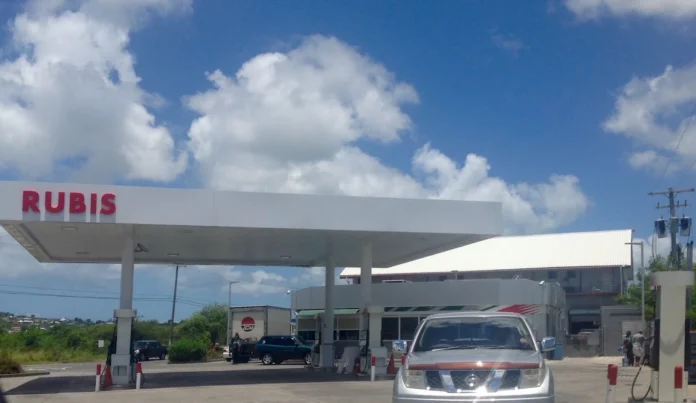

The International Monetary Fund is recommending regular reviews of fuel importer, wholesale and retail margins in Antigua and Barbuda, saying several margins and allowances have remained unchanged for decades and may no longer reflect operating costs.
An October 2026 technical assistance report calls for a formal review process supported by cost information from businesses across the fuel supply chain.
The assessment, which examines fuel pricing in Antigua and Barbuda and Grenada, says outdated margins could distort business incentives and affect the efficiency of fuel distribution.
“Supply margins are not periodically reviewed,” the report said.
Fuel prices in both countries are calculated using government-defined formulas that combine the cost of imported fuel, taxes and regulated margins at different stages of distribution.
Importer margins apply at the importation stage, wholesale margins relate to supplying fuel through the distribution chain, and retail margins apply to sales to consumers at service stations. These are separate components of the pump price and require assessment against the costs associated with each activity.
The IMF recommends reviewing all three categories, along with allowances for logistics, rather than treating supplier margins as a single charge.
In Antigua and Barbuda, the report says several margins and allowances, including freight parameters built into the pricing structure, have not been revised for decades.
Without periodic assessments, those components may no longer reflect actual operating costs, infrastructure conditions or shipping constraints, according to the IMF.
The report does not prescribe a specific increase in dealer margins. Its recommendation is for evidence-based reviews to determine whether regulated amounts remain appropriate under current conditions.
The IMF also identifies weaknesses in the information available to assess those margins.
It says information on the cost structures of importers, storage operators, wholesalers and distributors is limited, while margins included in pricing formulas are not systematically linked to documented operating expenses.
In some cases, margins are presented as combined amounts without a clear allocation between different activities, making it harder to determine whether charges reflect actual costs.
The report recommends requiring businesses to provide verifiable cost information and clearly separating margins across the supply chain. It also calls for reporting to distinguish government-set allowances from costs actually incurred.
Stronger oversight could include checking cost submissions from importers and distributors, monitoring compliance with pricing formulas and conducting periodic market reviews.
The IMF says those functions could be carried out through an independent regulatory body or stronger arrangements within existing government institutions, depending on available resources and administrative capacity.
It also suggests that Eastern Caribbean countries could share technical expertise, compare costs and undertake regional market studies to reduce duplication and improve the consistency of reviews.
This article was originally published by Antigua News Room. Read the original article here: IMF recommends regular reviews of fuel supplier margins in Antigua and Barbuda.