

Elections reveal what people value, what they fear and what they expect from those who seek their trust. Grenada’s election offers five enduring lessons. First, people vote based on their everyday experiences. Food prices, jobs, healthcare, housing and their children’s future matter more than campaign speeches. A government may celebrate new roads and buildings, but a parent struggling to feed a family measures progress differently. Second, parliamentary victories do not always fairly reflect the people’s votes. The NDC won 14 of 15 seats with approximately 61% of the vote. The NNP received approximately 36.8%, representing more than 22,000 voters, but secured only one seat. This disparity warrants serious examination of proportional representation that preserves constituency representation while making Parliament more reflective of the electorate. Third, winning an election does not give a party ownership of the country. Public appointments must reward competence, contracts must protect taxpayers, and public institutions must serve every citizen, regardless of political affiliation. A government receives its authority from the people. It owes them accountability.
Fourth, yesterday’s reputation cannot guarantee tomorrow’s confidence. The NNP must confront five weaknesses: inadequate political repositioning, an incomplete leadership transition, excessive promises without clear priorities, weak constituency mobilisation and inconsistent messaging. Its 464 commitments needed sharper focus, credible financing and measurable targets. Emmalin Pierre needed to demonstrate leadership authority, party unity and readiness to govern. The party should commission an independent electoral review, examine constituency results, listen to communities and rebuild its grassroots organisation. Fifth, promises attract attention, credible plans earn confidence, and delivery sustains trust. Proposals such as lower taxes and 24-hour healthcare must answer three questions: What will they cost? How will they be financed? When will people benefit? Every campaign should distinguish between what people need, what the country can afford and what a government can deliver. Grenada also needs an effective opposition to scrutinise expenditure, challenge poor decisions and protect the public interest.
The NDC now faces the responsibility of turning its extraordinary mandate into measurable improvements in people’s lives. It should publish an annual public performance report showing what it promised, what it spent, what it delivered and who benefited. Citizens deserve evidence, not announcements. The NNP must rebuild, while the NDC must govern beyond its political supporters. Both have responsibilities to Grenada. These lessons reach every Caribbean democracy. Political parties are temporary custodians of public authority. National institutions must outlast them. Are people living better? Are institutions stronger? Is public money producing public value? These questions keep governance focused on results. Can citizens hold their leaders accountable? An election gives a party the keys to government, never the deed to the country. The people own the country. Leaders borrow the power. Their record determines how much they have earned the people’s trust.
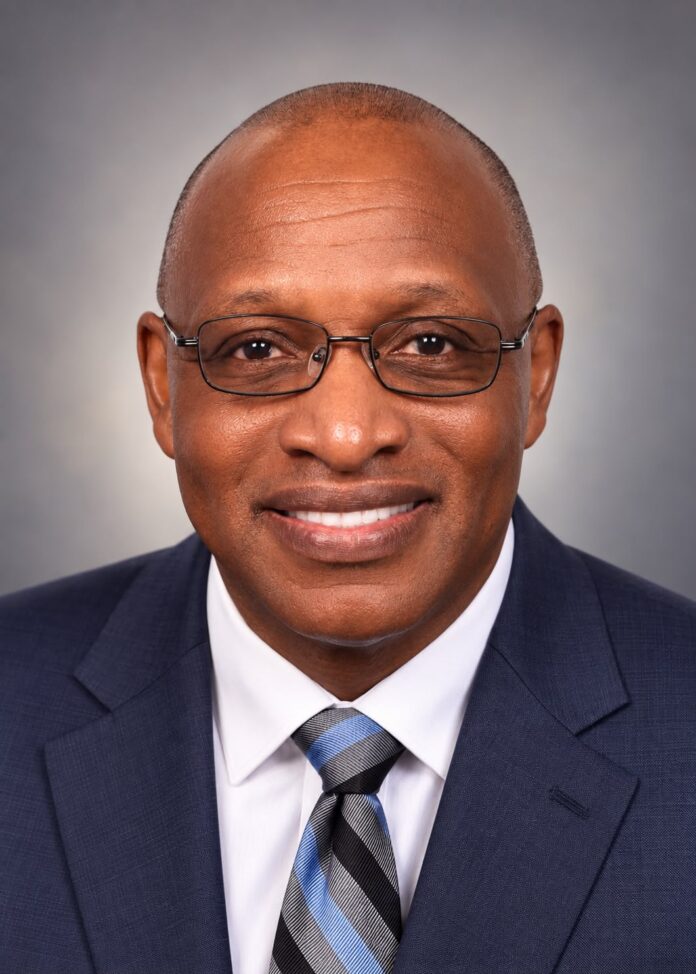
EDITOR’S NOTE: Dr. Isaac Newton is a leadership strategist, governance scholar and author specialising in institutional excellence, ethical leadership and human development. Educated at the University of the Southern Caribbean, Oakwood University, Princeton, Columbia and Harvard, he writes on leadership, governance and institutional development. His books include Fix It Preacher, Face Life Squarely and Intimate Intimacy. He co-authored Steps to Good Governance, Daring to Hope, When Nations Kneel and The Belief Code.
This article was originally published by Antigua News Room. Read the original article here: COMMENTARY: The People Own The Country.